Health in Your Hands
HomeSCOPEField notesCollaboratorsLeadership Donate
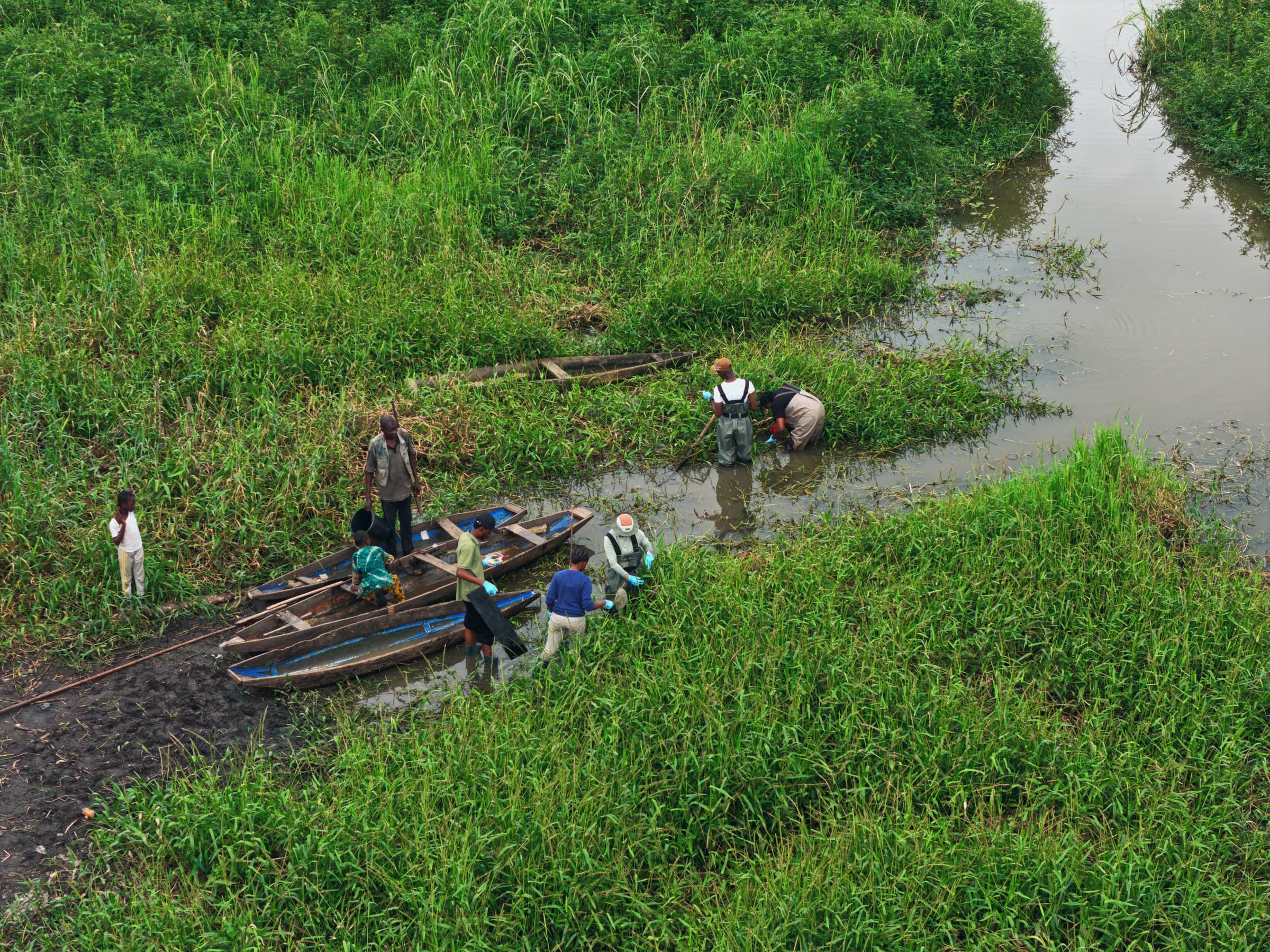
Aerial view of canoes pulled into a green river channel where the SCOPE team wades among aquatic plants
Our programs
SCOPE · Schistosomiasis Control from a One Health Perspective

Can foldscopes, drones, and games stop a cancer-causing parasite?

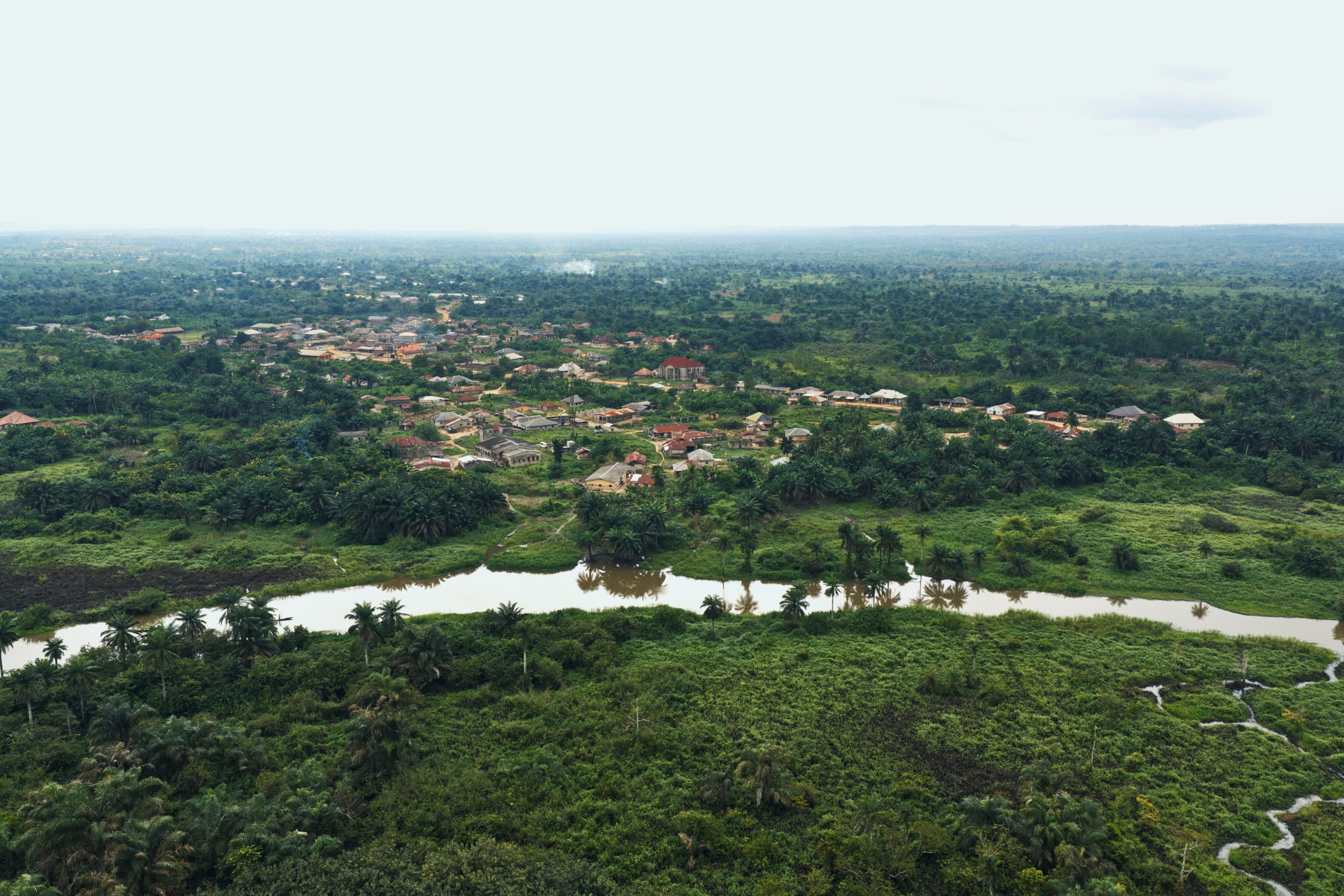
In rural Ogun State, Nigeria, a parasite hiding in freshwater snails quietly damages the bladders of children and adults, and it can lead to cancer. With local health workers, scientists, and educators, we’re testing whether $2 microscopes, drone-mapped rivers, and play-based lessons can bring it under control at the last mile.

  • Ogun State, Nigeria
  • Nine-month trial · 2026–27
  • Six communities
About this project

Fighting a parasite at its source: in the water, at the clinic, and in the classroom

Schistosomiasis is a parasitic worm infection that hides in freshwater snails and can cause bladder cancer. In the riverside communities of Ogun State, trained local health workers will use $2 microscopes to test and treat people where they live. Drone mapping will find the snail host’s habitat so it can be targeted. And monthly, game-based lessons teach children how the disease spreads and how to stay safe.

We hypothesize that this One Health approach, treating people, animals, and environment together, will lower both how many people are infected and how heavily.

418
people screened in our 2025 field study
52.5% → 92.1%
health workers’ diagnostic accuracy, over eight days
$0.04
per test, with a reusable toolkit that costs under $4
6
communities in the 2026–27 trial, at 11–37% prevalence
191
children interviewed before their first lesson
181
river quadrats searched for the snail host
Ask the scientists

The short version, in three questions.

Why is this still happening?

Schistosomiasis spreads through contact with freshwater that holds infected snails, which is common wherever there’s no clean water supply. The worm silently damages the bladder over years and can lead to bladder cancer. Yet it’s rarely treated, partly because blood in the urine is so common that it’s been normalized locally as “male menstruation.”

The standard test needs lab equipment and a clinic visit. Neither is realistic in last-mile communities. The treatment, praziquantel, is effective, but it hardly reaches the most rural areas. And treating everyone is futile without addressing the water contact that reinfects people.

Why do we think this can work?

In 2025, in a study funded by our first crowdfunding campaign, community health workers trained for just a few days reached 90%+ diagnostic accuracy with a $2 Foldscope. That’s the foundation.

But snails and worms don’t disappear because people take medicine, so communities get reinfected again and again. We’re pairing testing with evidence-based environmental protocols pioneered in Senegal, adapted with communities. And because children are the ones playing and swimming in the water, we’re adding lessons that can change behavior in a way pills alone cannot.

What does “One Health” mean here?

One Health is the idea that human, animal, and environmental health are inextricably linked. Schistosomiasis is a textbook case: the parasite cycles between people, snails, and water. It’s the namesake of the project (Schistosomiasis Control from a One Health Perspective), and it’s why SCOPE works on diagnosis, ecology, and education at once.

The disease

A parasite that hides in the water

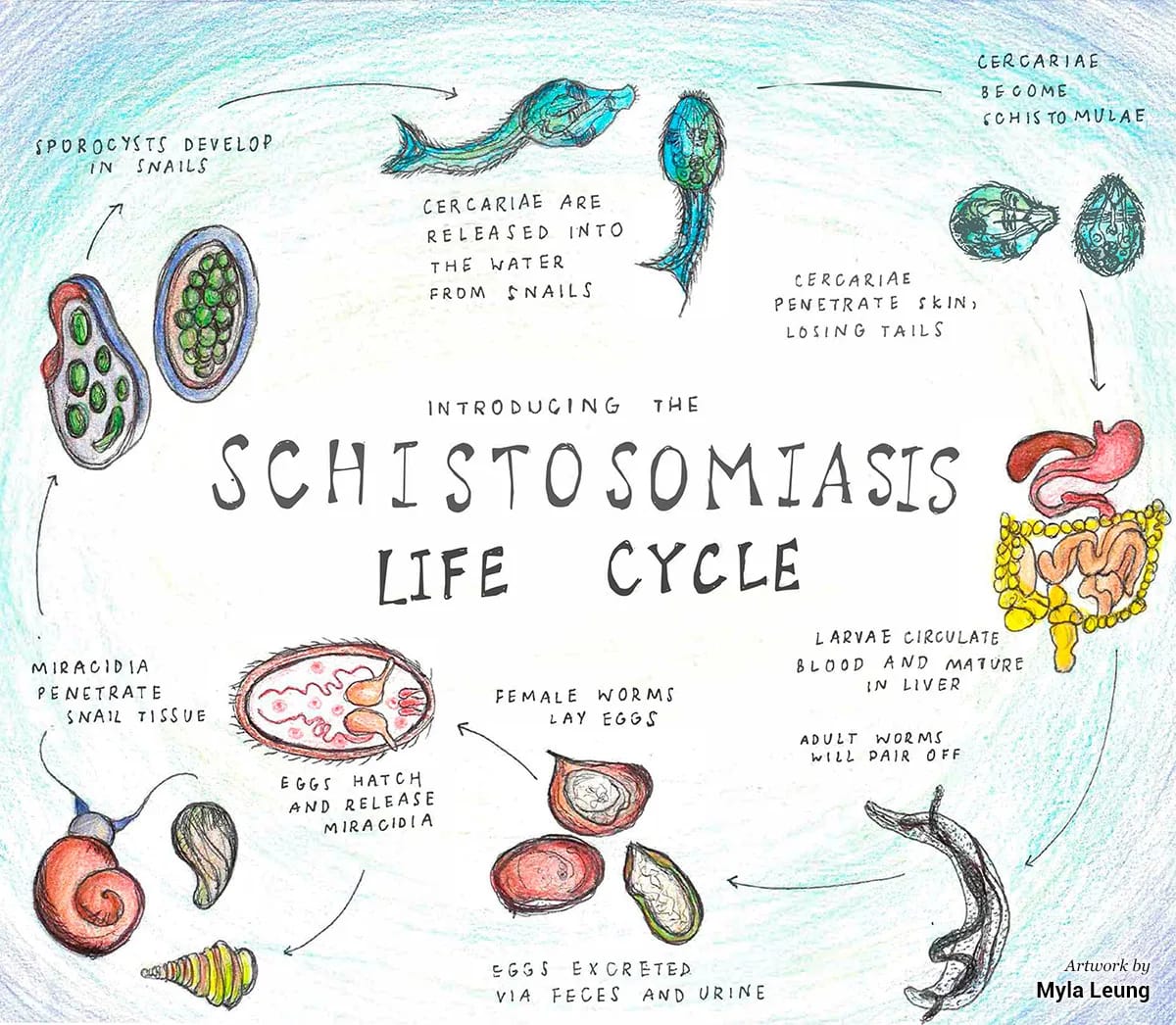
Schistosomiasis, known locally in southwestern Nigeria as Àtọ̀sí Ajá, is caused by a parasitic worm that lives in fresh water. Its reservoir is several species of freshwater snail, which become infected when urine from infected people reaches local waterways. Inside the snail, the parasites mature and are released as cercariae, which burrow into the skin of anyone who wades, washes, fishes, or swims.

It infects tens of millions of people across rural sub-Saharan Africa, and hits school-aged children hardest. Left untreated for years, a curable infection turned chronic can lead to bladder cancer, infertility, and lasting damage to the reproductive tract that makes HIV easier to contract.

  1. 1Eggs leave the body in the urine of an infected person, and reach the river.
  2. 2Larvae find a snail like Bulinus, sheltering in plants, debris, and trash.
  3. 3Cercariae are released into the water: microscopic, and able to swim.
  4. 4They burrow through skin during washing, fishing, farming, or play, and the cycle restarts.
Hand-drawn diagram of the schistosomiasis life cycle: eggs excreted in urine hatch, infect snails, develop into cercariae released into water, penetrate skin, and mature into worms that lay eggs
The life cycle, drawn by hand. Artwork: Myla Leung.
Close to home, in 2025
27.5%of people we screened near the Oyan River Dam in 2025 had active infection
40%infection rate among students, the highest of any group
60%had never received treatment, despite living with the disease for years
Our approach · One Health

Treat the people. Map the snails. Teach the kids

Treating the people who are infected is essential. But unless we address what drives transmission, the same people will be infected again next year. So SCOPE works on three fronts at once.

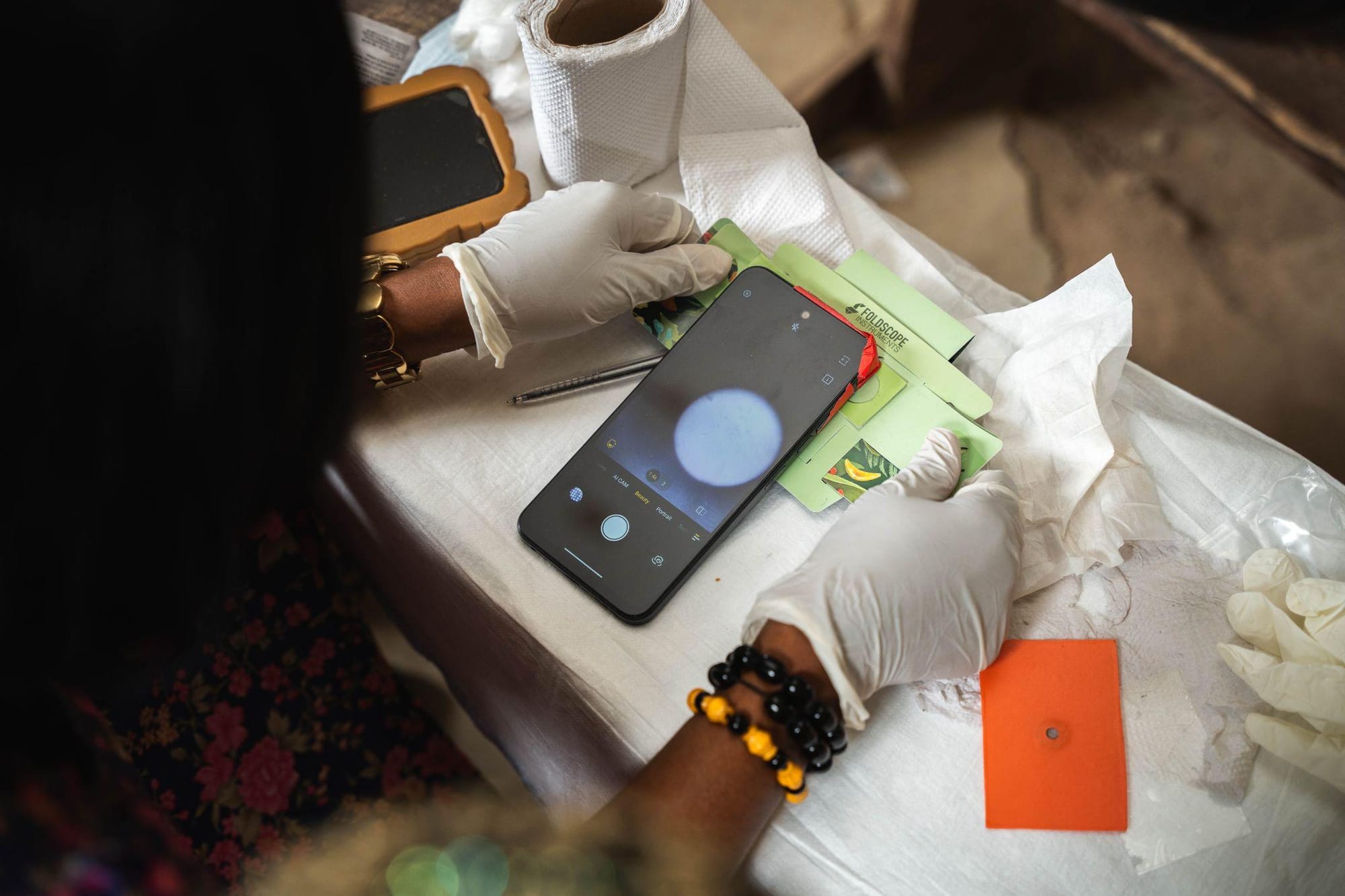
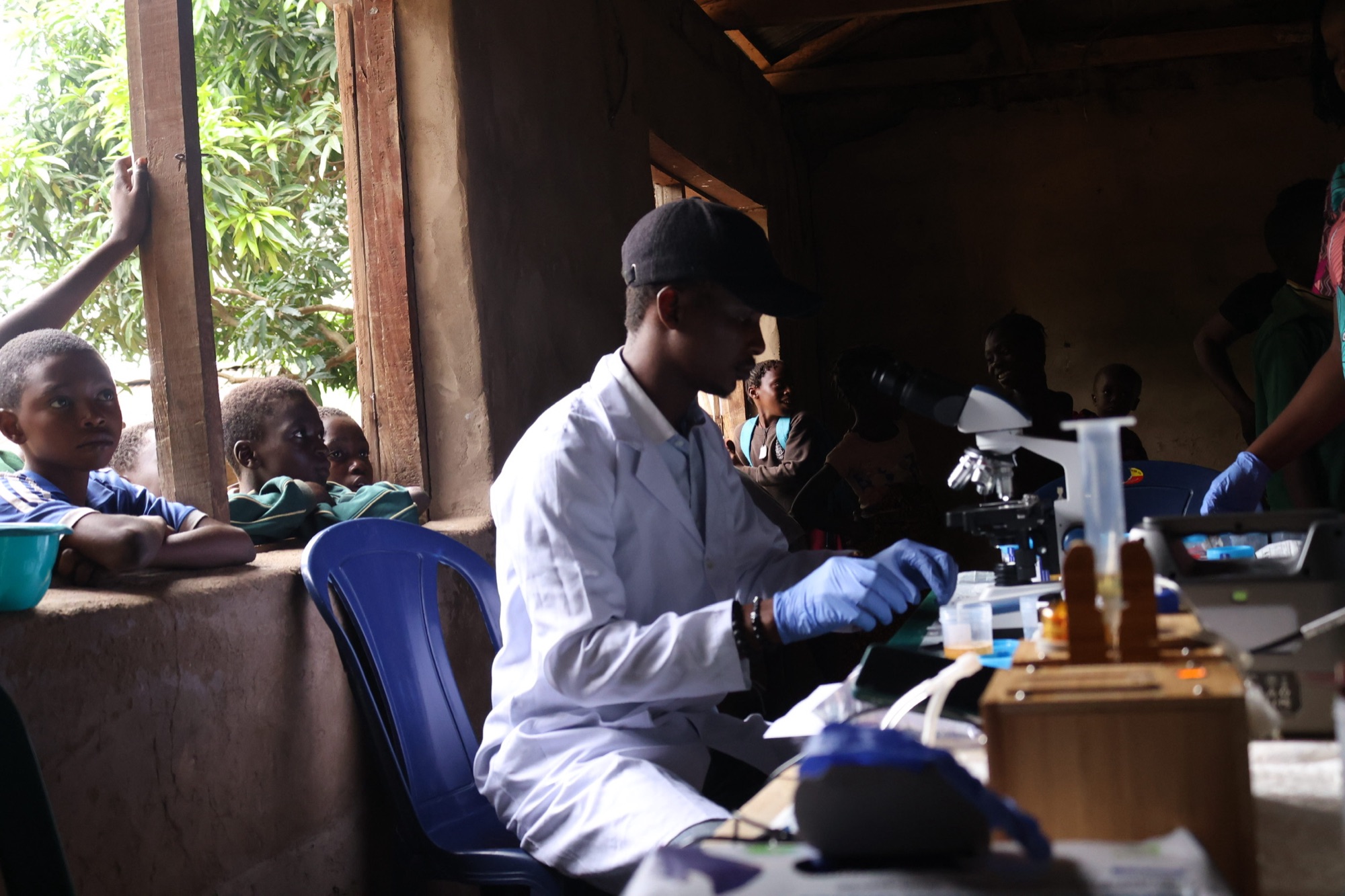
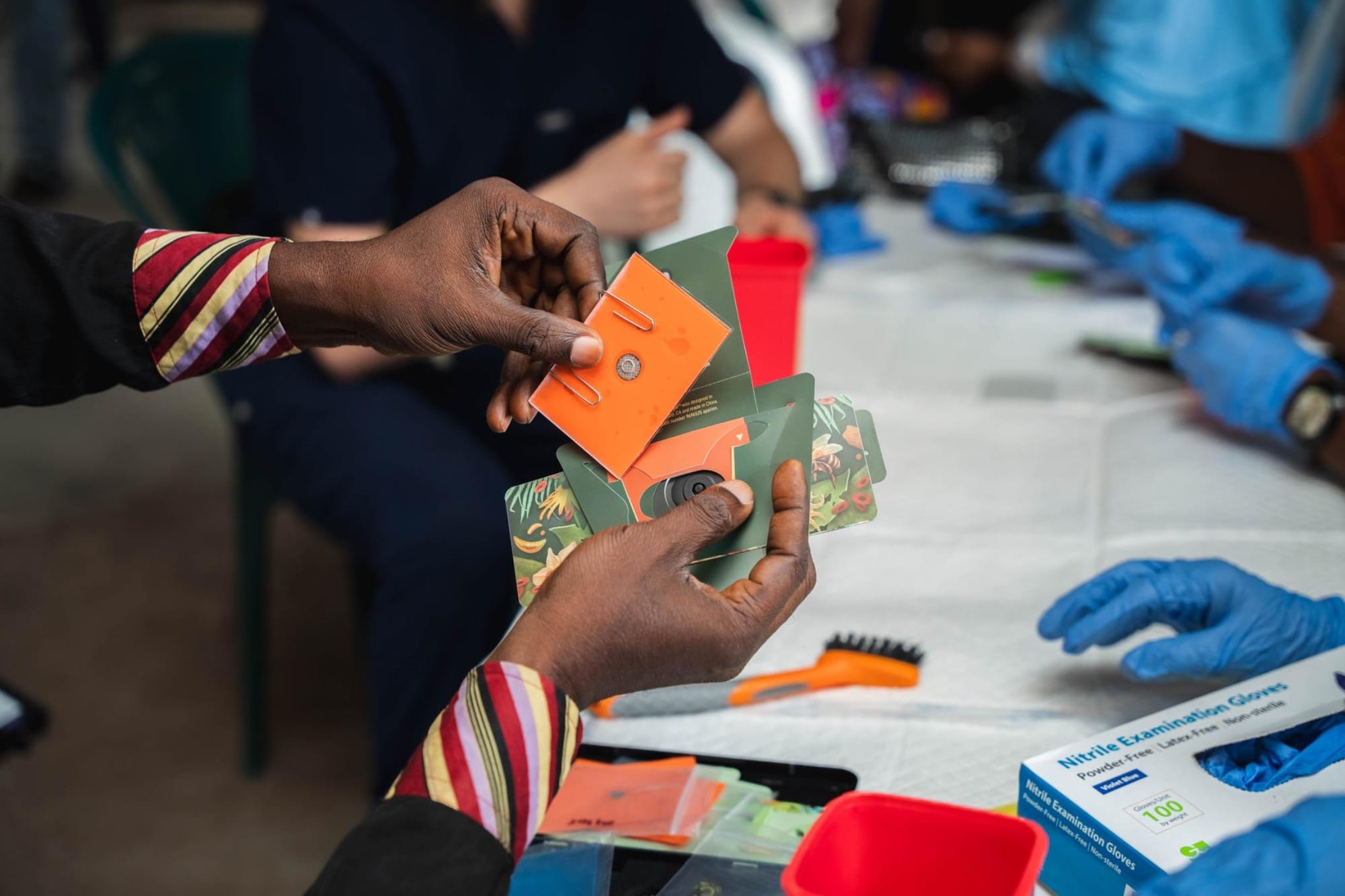
Hands hold orange SchistoFilter cards and a Foldscope over a busy screening table 01
Diagnosis

Test and treat, close to home

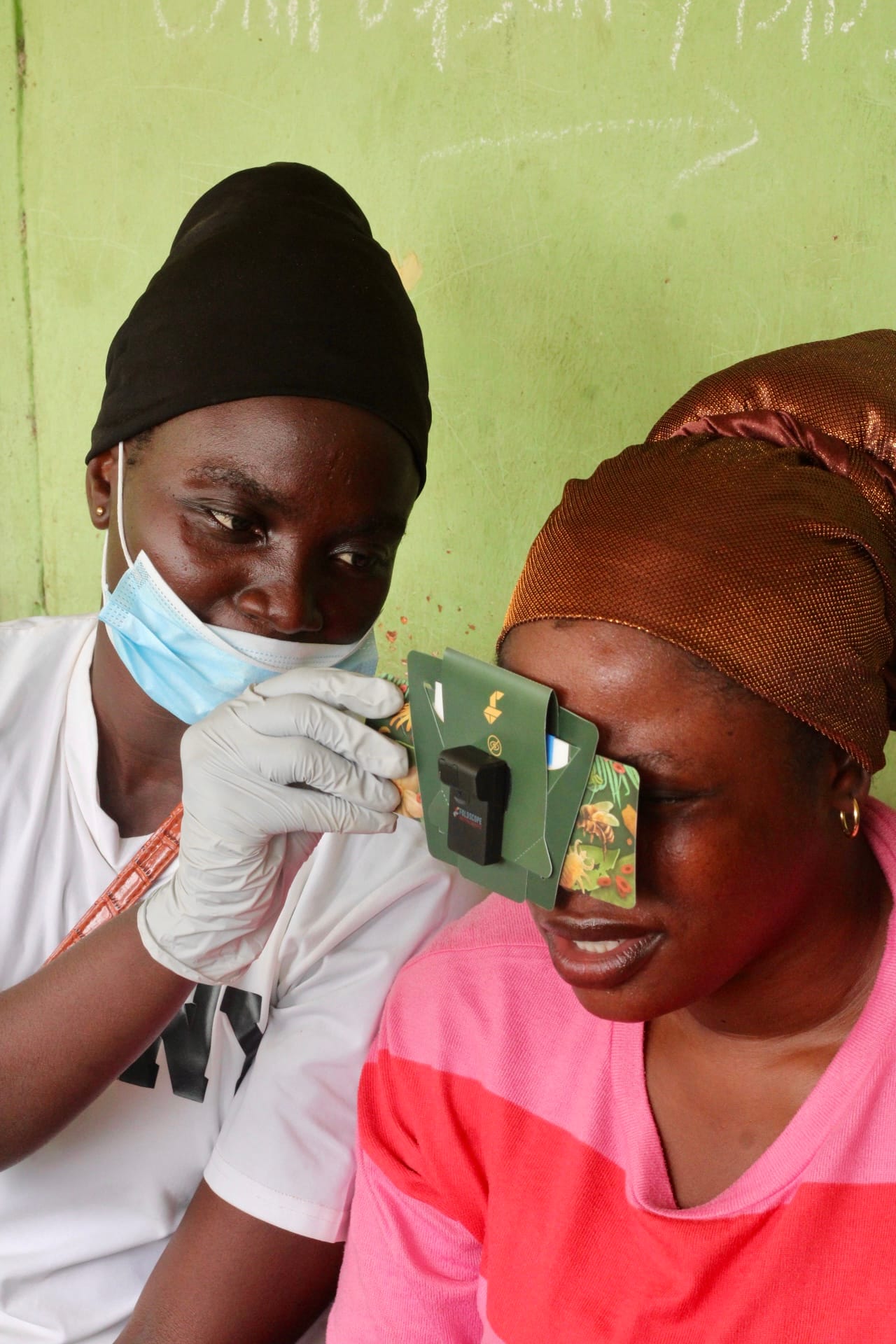
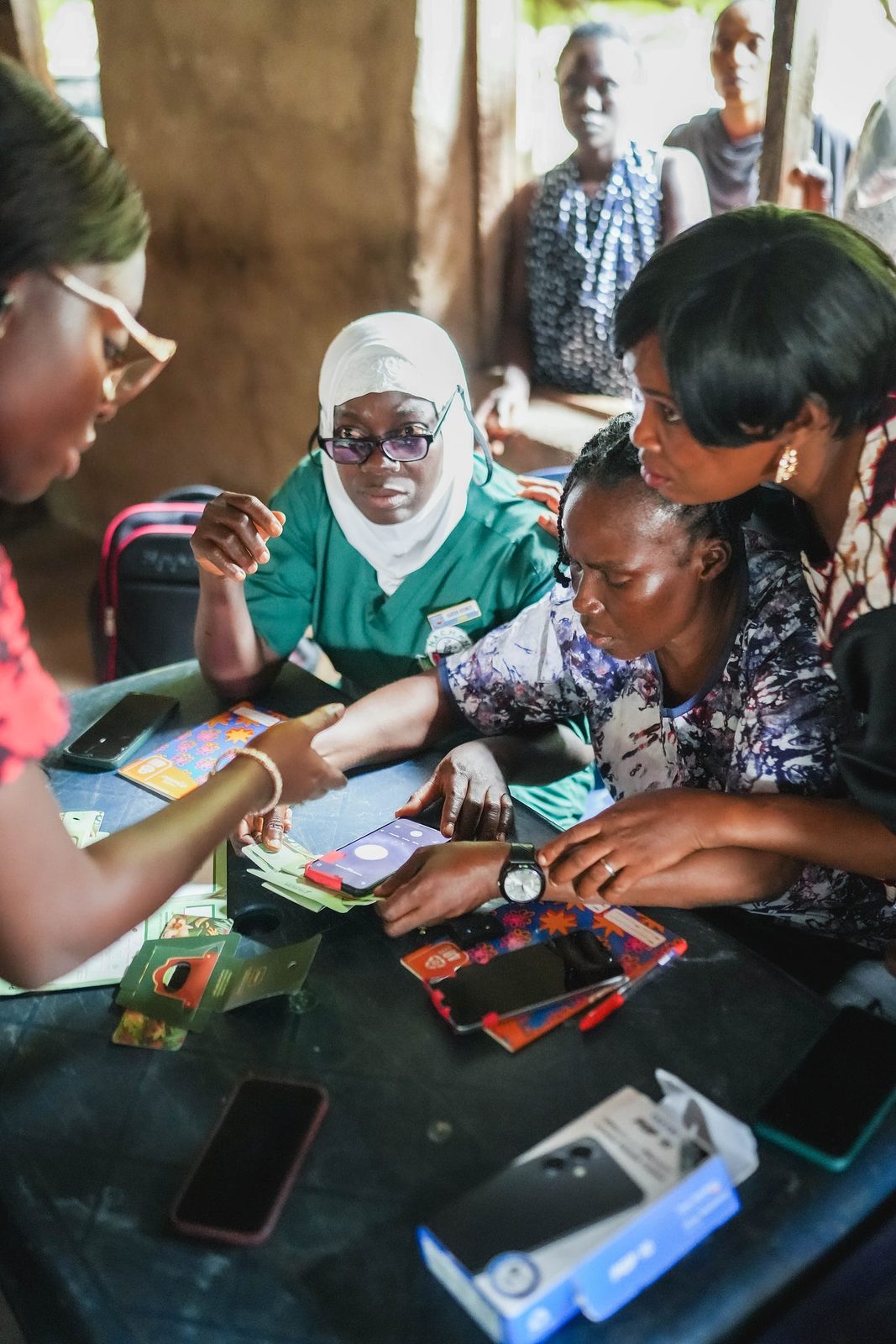
Community health workers use a $2 Foldscope and our reusable SchistoFilter to test urine where people live — and treat those who test positive with praziquantel on the spot, instead of waiting for mass drug campaigns.

We measurePrevalence and intensity of infection
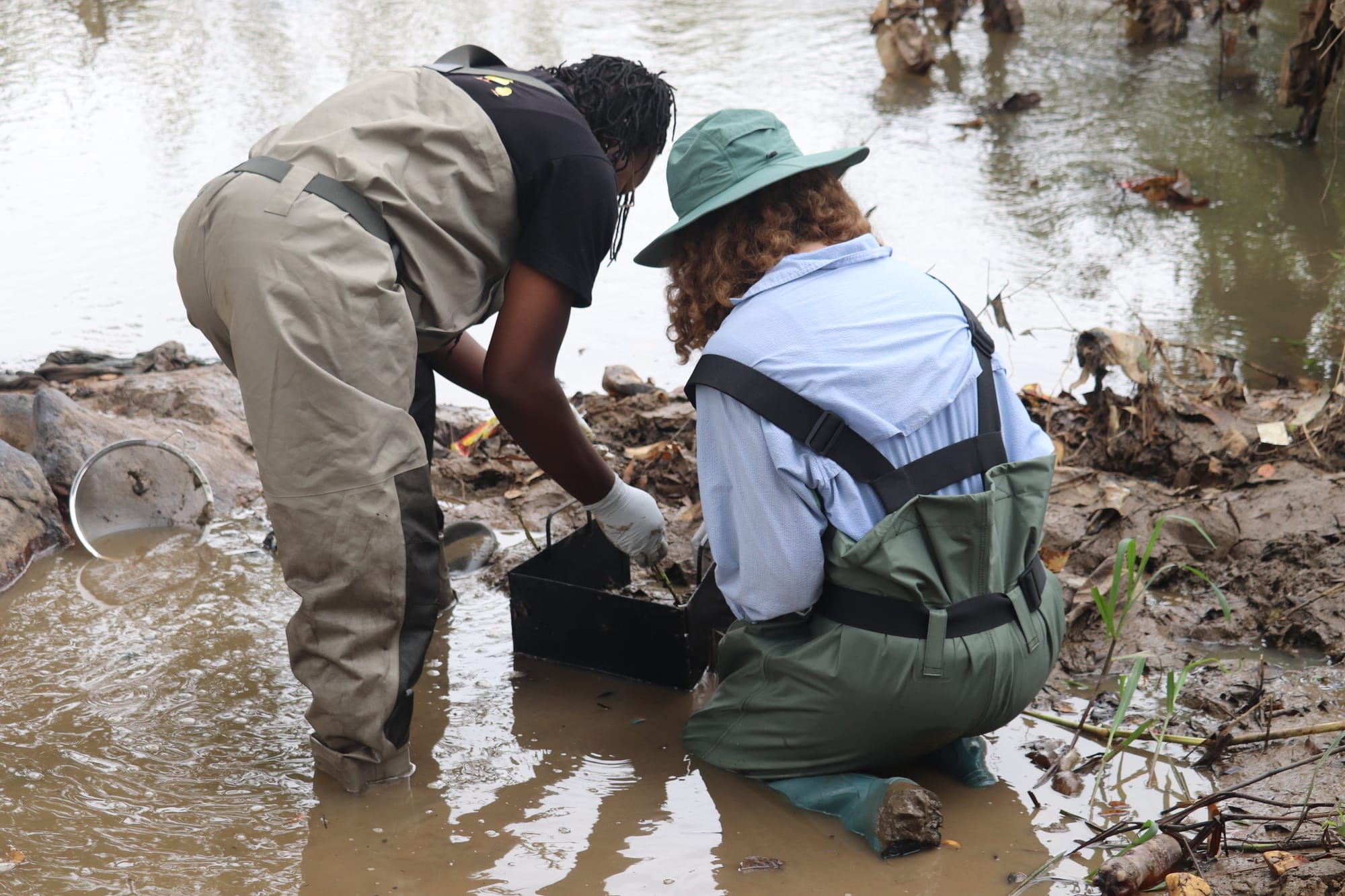
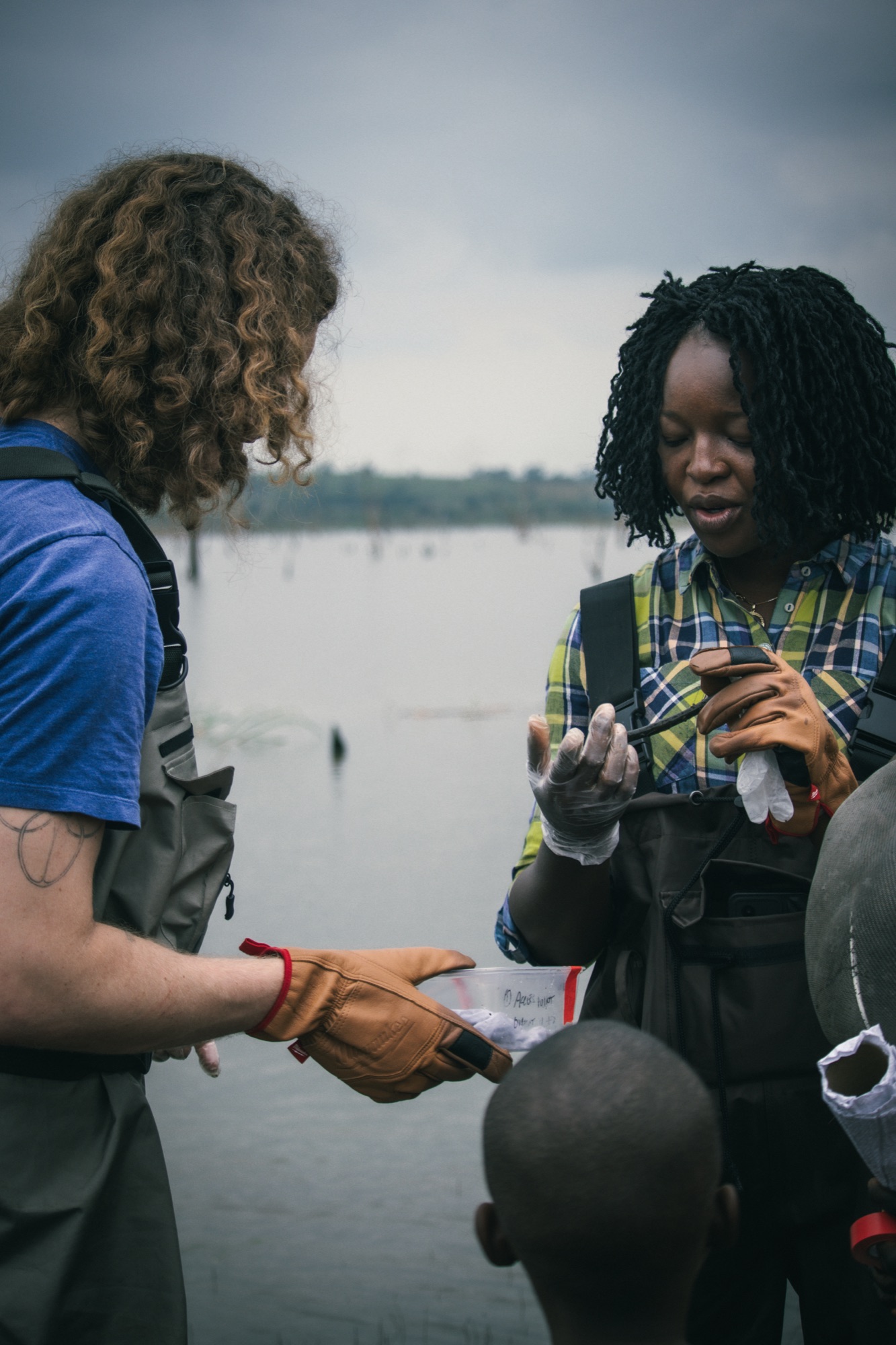
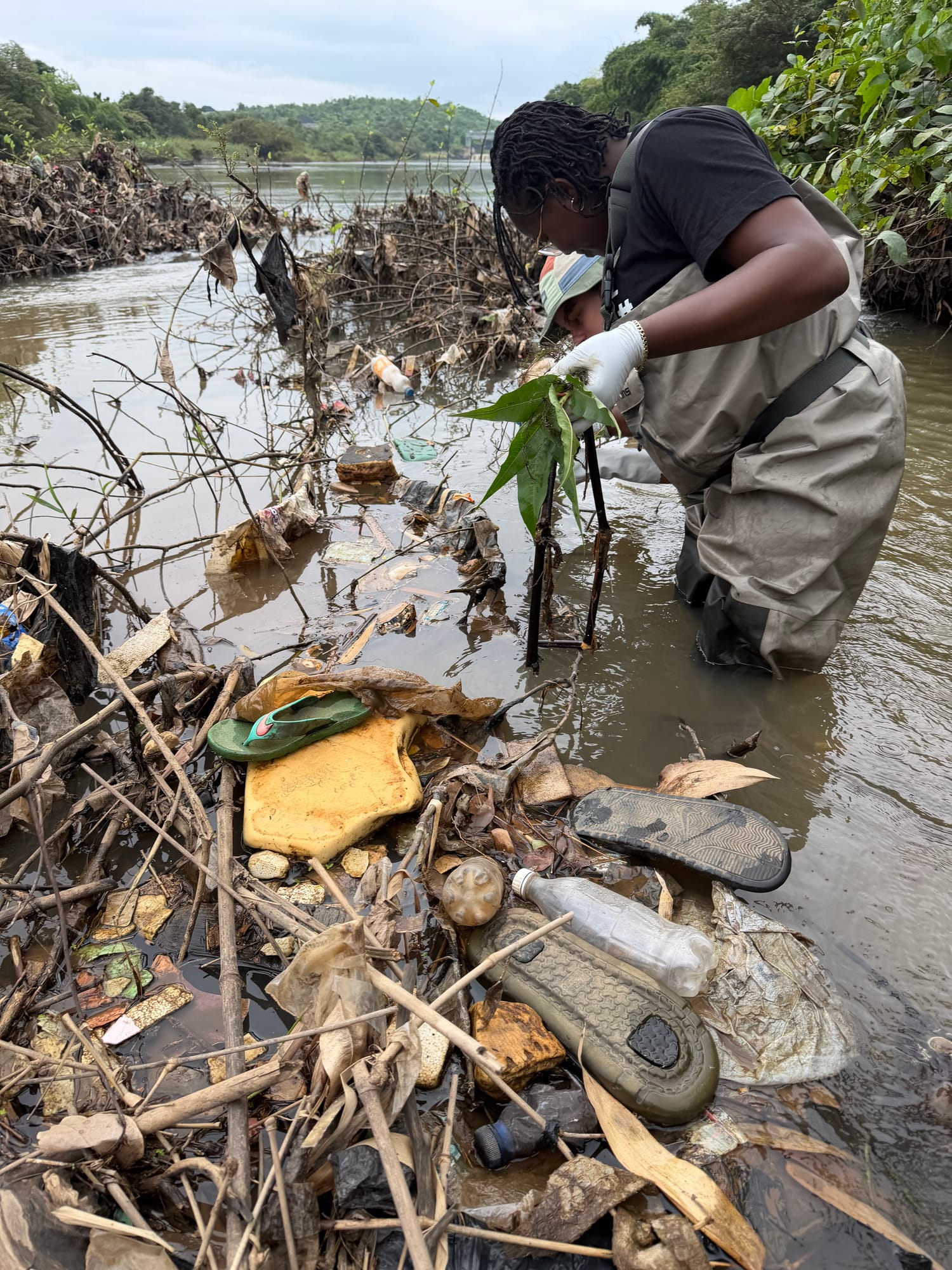
Two researchers in waders lower a welded metal quadrat onto a shallow riverbed 02
Ecology

Find the snails, then ask what to remove

Drone imagery of water-access points, checked by hand on the ground, maps where the snail host actually lives, so communities can choose real interventions, like clearing trash or invasive plants, instead of guessing. Environmental DNA sampling looks for the parasite in the water itself.

We measureSnail habitat, snail counts, and eDNA
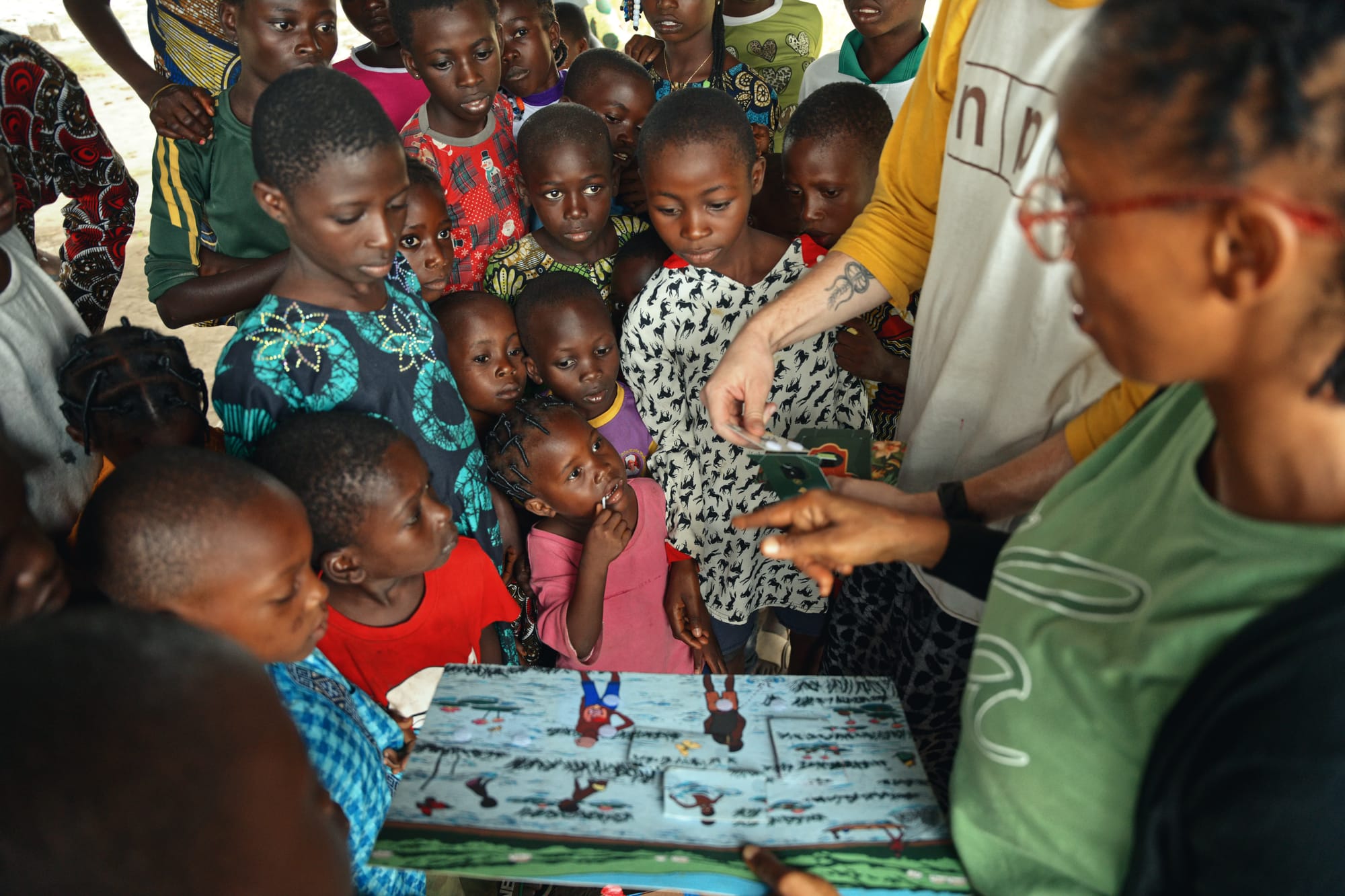
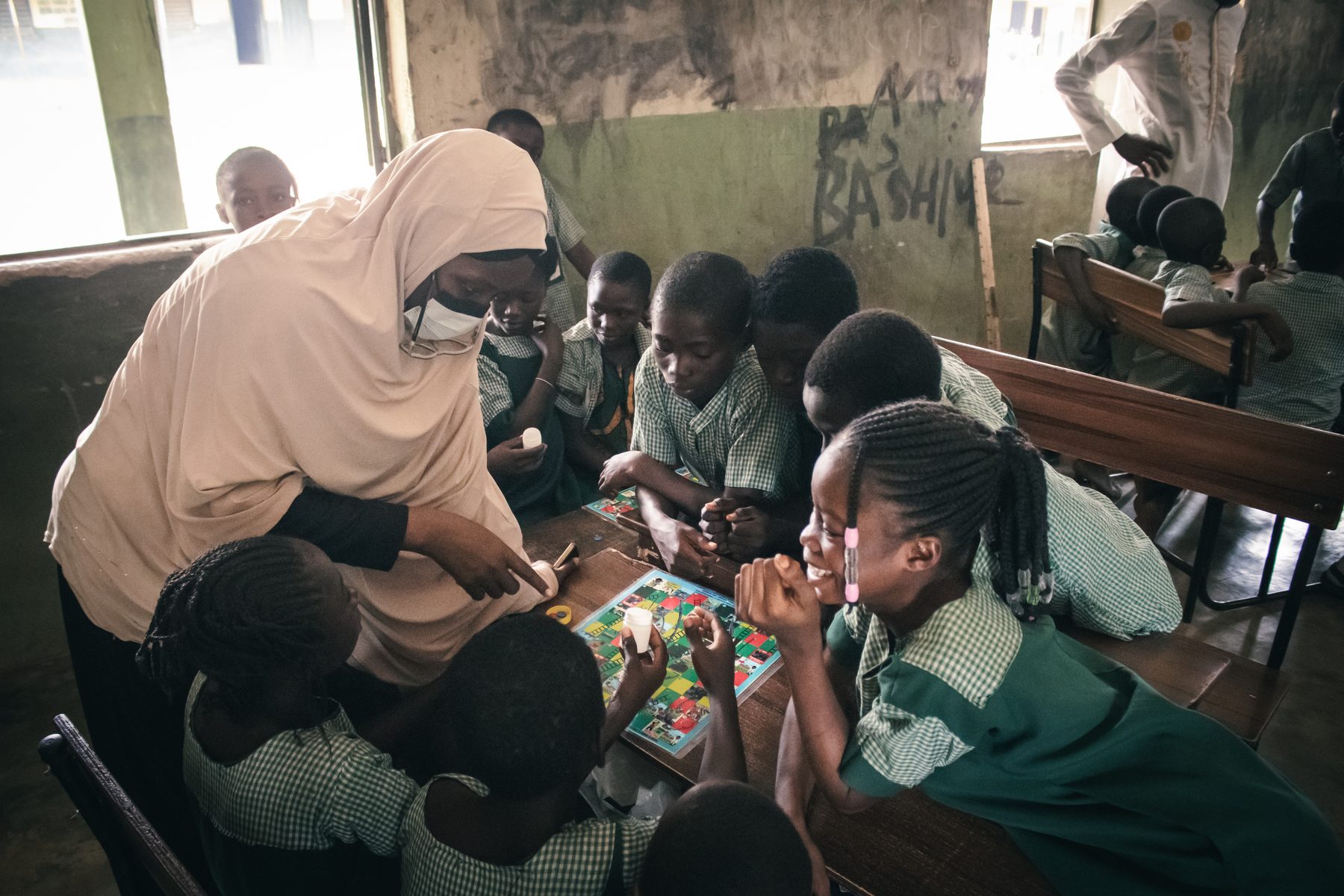
Children crowd around a colorful puzzle as an educator holds a Foldscope over one piece 03
Education

Games that reveal a hidden world

Monthly, play-based lessons in Yoruba help school-aged children understand how the parasite spreads and recognize its symptoms. The aim is to shift water contact and encourage treatment-seeking over time. They’re led by Dr. Cynthia Umunnakwe, co-designer of Schisto & Ladders and Hidden Worlds.

We measureKnowledge, attitudes, and practices
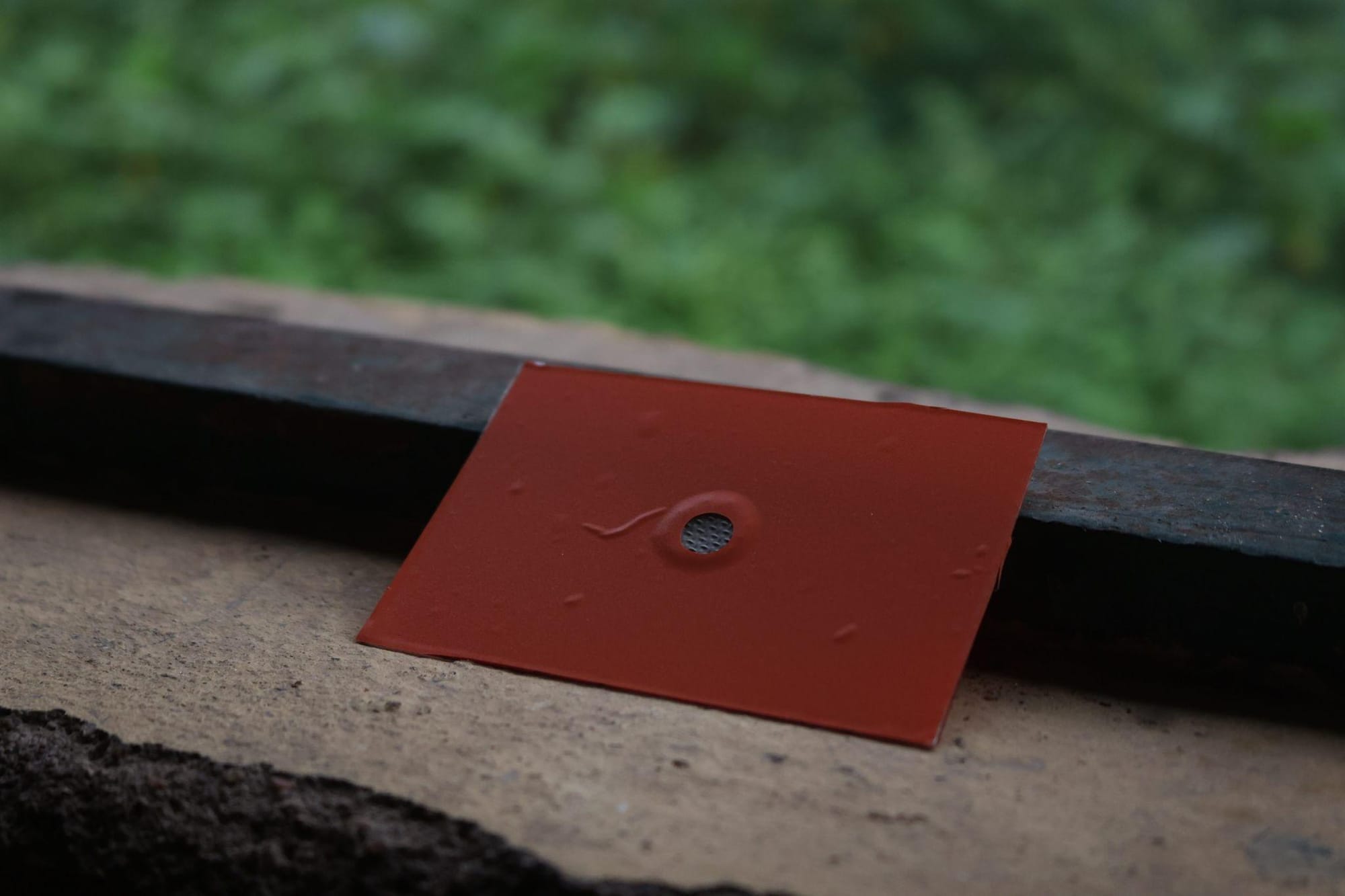
An orange SchistoFilter card with a small stainless-steel mesh window, leaning on a wooden ledge
The toolkit

A lab that fits in a pocket

The diagnostic half of SCOPE runs on two pieces of frugal science: the Foldscope, a folding paper microscope co-invented by our mentor Manu Prakash, and the SchistoFilter, a reusable filter card we designed around the constraints of rural clinics. No electricity. No lab. A phone camera for a second opinion.

ItemCost
Foldscope paper microscope$2.00
SchistoFilter card$0.50
Reusable syringe, cup & cleaning brush~$1.00
Complete toolkit< $4.00
Reused 100+ times$0.04 / test
MeasureSchistoFilterStandard filter
Answer in2–3 minutes10–15 minutes
Cost per test$0.04, reusable$1.25, single-use
Foldscope-readyLoads directlyNeeds extra glass

Open source: buildable anywhere with local materials, glue, and a razor blade. Early lab validation: 100% sensitivity so far, down to one egg per 10 mL of urine.

What we learned in 2025

Communities can diagnose their own disease

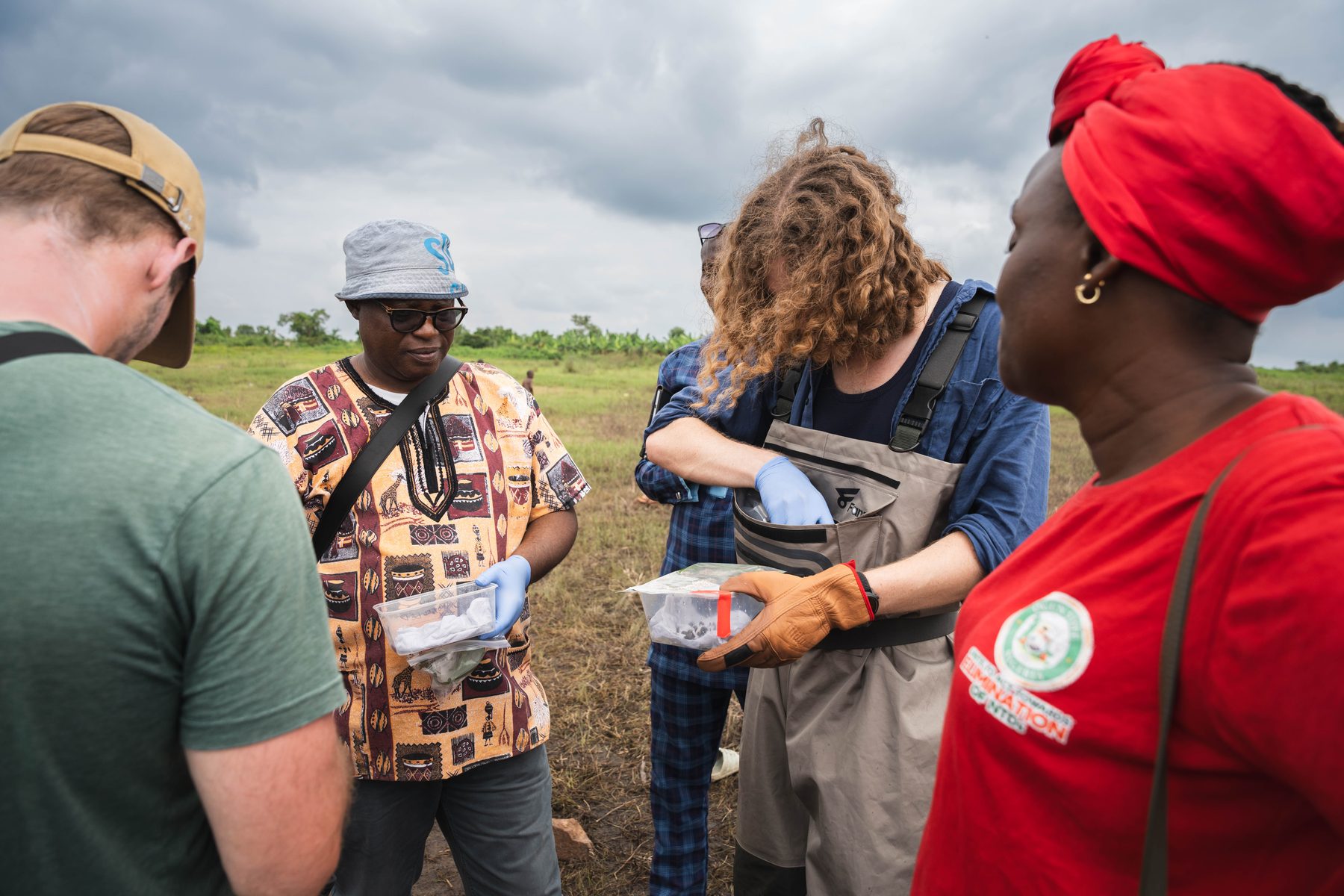
In July 2025 we screened 418 people across five communities near the Oyan River Dam. Every sample was read twice: once by community health extension workers using the toolkit, and once by laboratory technicians with standard microscopy.

In eight days, the health workers, most of whom had never used a microscope, went from coin-flip accuracy to strong agreement with the lab. In lab scientists’ hands, the $2 Foldscope performed like a conventional microscope.

Health workers’ diagnostic performance
First community vs. final community, eight days later (n = 237 samples)
  • First community
  • Final community
Health workers’ diagnostic performance: First community vs. final community, eight days later (n = 237 samples)
MeasureFirst communityFinal community
Accuracy52.5%92.1%
Specificity53.6%96.3%
Source: our March 2026 preprint on medRxiv (Cochran–Armitage trend, accuracy p = 0.002).
91% · 99%
Foldscope sensitivity and specificity, read by lab scientists
405
people treated during the 2025 study
0.80
agreement with the lab by the final community (Cohen’s kappa)
How we’ll know if it works

A stepped-wedge trial across six communities

Instead of splitting communities into “treated” and “untreated” for good, a stepped-wedge trial rolls SCOPE out in steps. Every community eventually gets test-and-treat, lessons, and habitat mapping — but staggered starts let us compare each community with itself, before and after.

We identified six moderately endemic communities (11–37% prevalence) during fieldwork in August 2026, grouped into three clusters.

Stepped-wedge rollout: when each cluster of communities starts SCOPE
ClusterSep–Nov 2026Dec 2026–Jan 2027Feb 2027 onward
Cluster AStarts September 2026 SCOPE begins SCOPE continues SCOPE continues
Cluster BStarts December 2026 Usual care SCOPE begins SCOPE continues
Cluster CStarts February 2027 Usual care Usual care SCOPE begins
  • Usual care, waiting its turn
  • Test-and-treat, lessons, and habitat work under way
Infection

Prevalence and intensity (eggs per 10 mL of urine), with a midpoint assessment in December 2026.

Learning

Knowledge, attitudes, and practices interviews with children, repeated over time.

Habitat

Snail counts, habitat mapping, drone imagery, and eDNA across wet and dry seasons.

Project timeline

From a lab bench in Houston to six communities on the river

  1. Phase I
    Mar 2025

    First experiment

    Novices find parasite eggs through a Foldscope with 79% accuracy.

    Read the field note →
  2. Jul 2025

    Funded at 106%

    33 backers fund the first study; ethics approval clears in Ogun State.

    Read the field note →
  3. Jul 2025

    First field study

    418 people screened across five communities; health workers reach 92% accuracy.

    Read the field note →
  4. Dec 2025

    SCOPE Symposium

    A One Health gathering at Stanford with the Prakash Lab.

    Read the field note →
  5. Mar 2026

    Preprint published

    Our first paper, now under peer review.

    Read the field note →
  6. Phase II
    Jul 2026

    Ethics approval for SCOPE

    Full committee approval from the Ogun State Health Research Ethics Committee.

    Read the field note →
  7. Aug 2026

    Fieldwork: six communities

    Communities identified, games piloted, waterways mapped, eDNA sampled, 181 quadrats searched.

    Read the field note →
  8. The trial
    Sep 7, 2026

    Treatment to health centers

    Praziquantel moves to local Primary Health Centers.

  9. Sep 15, 2026

    eDNA filters shipped

    Environmental samples, in preservative buffer, head to the U.S. for PCR analysis.

  10. Sep 21, 2026

    Cluster A begins

    300 doses reach the first community; first monthly education visit.

    Read the field note →
  11. Oct 1, 2026

    Renewed field funds

    Fuel and supplies for the local team. This is exactly what donations cover.

    Help cover it →
  12. Today
  13. Nov 1, 2026

    Habitat risk maps

    Finalize snail-habitat risk mapping from August fieldwork.

  14. Dec 21, 2026

    Cluster B begins · midpoint

    First education visit for Cluster B; midpoint prevalence assessments across SCOPE communities.

  15. Dec 2026

    Dry-season mapping

    eDNA, drone mapping, and snail counts in the dry season.

  16. Feb 22, 2027

    Cluster C begins

    First monthly education visit for Cluster C.

Endorsed by
I am really excited about this project. The project will help in supporting the fight against a disease of poverty that affect the poorest and most marginalized people in African countries.
Akinola OluwoleResearch Advisor, Neglected Tropical Diseases · Sightsavers
I am excited about this project, primarily because it aims to address some critical operational gaps in the global fight towards eliminating schistosomiasis. I am super-intrigued by the team composition as well.
Hammed MogajiProfessor · Marian University
I know the team leader of this project and have discussed this research with the team. This is solid science that explorers a very new and relevant topic of medical science!
Dimitri DeheynResearch Scientist & Principal Investigator · Scripps Institution of Oceanography, UC San Diego
The team

The people who make it work

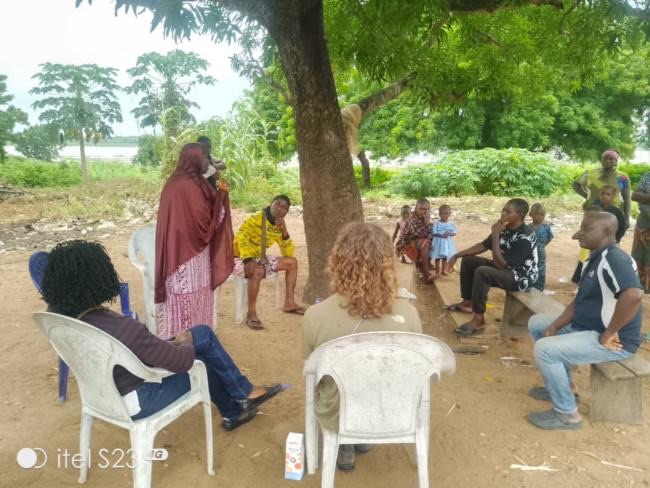
SCOPE is led on the ground by Nigerian scientists, health officials, and community health workers, alongside the student-led Health in Your Hands team.

On the ground in Ogun State
Prof. Uwem Ekpo
Prof. Uwem Ekpo
Parasitologist · 20 years on the Oyan River
FUNAAB
Dr. Soneye Islamiat
Dr. Soneye Islamiat
Schistosomiasis control lead, Ogun State, who opened the door to these communities
Ogun State Ministry of Health
Dr. Tope Olubodun
Dr. Tope Olubodun
Regulatory oversight & research ethics
Federal Medical Centre, Abeokuta
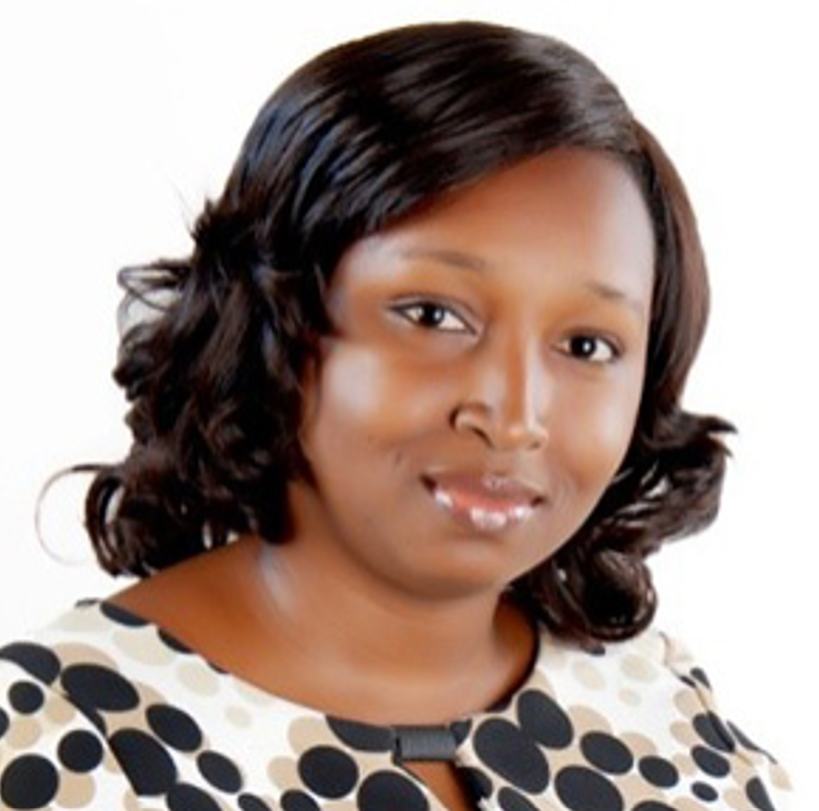
Dr. Cynthia Umunnakwe
Education lead · co-designer of Schisto & Ladders and Hidden Worlds
Parasitologist, Ogun State
Dr. Olubukola Adelakun
Environmental lead · snail-host expert (DVM)
FUNAAB
Ifeoluwa George
Ifeoluwa George
Field microscopy at the screening table
FUNAAB · FountainBridge
Mentors
  • Manu PrakashManu PrakashFoldscope co-inventor · research mentor · Prakash Lab, Stanford
  • Giulio De LeoGiulio De LeoDisease ecologist · Stanford
  • Akinola OluwoleNTD research advisor · Sightsavers
Health in Your Hands
  • William McCarthyWilliam McCarthyChief Executive Officer
  • Caroline CrainCaroline CrainChief Scientific Officer
  • Simon BirkSimon BirkPresident · COO
  • Cristina SalasCristina SalasEcology fieldwork
  • Jon BeaubrunJon BeaubrunEngineering
  • Megan NgaiMegan NgaiEducation design
  • Richa JohnRicha JohnEducation design
  • Thomas CopelandThomas CopelandPhotography
  • Daniel AmaoCinematography
  • Siddhant PatilMedical student
  • Vaibhav ShokeenAutomated imaging
Meet every SCOPE collaborator →
Ethics & safety
How we work →
  • Local ethics approval. Full committee approval from the Ogun State Health Research Ethics Committee.
  • WHO guidelines. All diagnosis for prevalence assessments, and all treatment, follows WHO guidelines.
  • Informed consent. Participation is voluntary, with informed consent.
  • Community permission. Every community leader is asked, through local community mobilizers.
  • Tested before testing. Health workers passed an accuracy test before the study began.
  • Supervised treatment. Ministry of Health staff supervise, so praziquantel is ready for every positive case.
Field notes

Follow the work as it happens

All 20 SCOPE field notes →
Read the note
28 SEP 2026 SCOPE

Snails love trash: the plastic pollution blues

A SCOPE field note from August’s snail survey: why we look for snails at all, what a Stanford lab found when snails met biofouled plastic, how we sampled 181 random quadrats without cherry-picking, and what trash does (and doesn’t) tell us about where the parasite lives.

Schistosomiasis · Nigeria
Read the note
27 SEP 2026 SCOPE

Hunting for eggs: the SchistoFilter’s first lab validation

Back from Nigeria, Caroline takes the SchistoFilter into formal validation: 100% sensitivity so far, a limit of detection of one egg per 10 mL, and answers in 2–3 minutes instead of 10–15.

Schistosomiasis · Houston
Read the note
25 SEP 2026 SCOPE

Hidden Worlds: a MicroSafari through the parasite’s life cycle

How do you teach a life cycle no one can see? An education note from Imoto: the Hidden Worlds puzzle, what 191 children knew at baseline, and a pop quiz that ended in butterflies.

Schistosomiasis · Nigeria
Read the note
21 SEP 2026 SCOPE

Treatment arrives: 300 doses reach the first SCOPE community

Praziquantel reaches the first community in SCOPE’s test-and-treat trial: what the drug does, why it rarely makes the trip, and how community health workers will test, treat, and track.

Schistosomiasis · Nigeria
Read the note
11 SEP 2026 SCOPE

Approved: SCOPE clears full ethics review in Ogun State

The Ogun State Health Research Ethics Committee approved SCOPE after full committee review. Here’s what the approval requires, and the consent, supervision, and community-permission practices behind it.

Schistosomiasis · Nigeria
Read the note
19 JUL 2026 SCOPE

Why I try to keep a bar-of-soap mentality

A SCOPE essay from the Oyan River communities: a van with a punctured gas tank, a community health worker with a bar of soap, and what six days of Foldscope diagnostics taught the team about where innovation actually lives.

Schistosomiasis · Nigeria
Support SCOPE

Where your gift goes

We’re a student-led nonprofit with a lean budget, patched together from medical-school grants, global-health reimbursements, and individual gifts. Every line below covers bare-minimum operating costs for work already under way.

Fuel, travel & incidentals

Getting community health workers between remote riverside communities, and the team to drone-survey sites at water-access points — where car access is no easy feat.

Partner support

Staff time at our Nigerian partners (the Ministry of Health NTD office, FMC Abeokuta, and FUNAAB) for community entry, ethics compliance, and coordinating praziquantel distribution.

Supplies & shipping

Urine testing, materials for health lessons, and drone surveys: the core tools behind rural treatment and snail-habitat mapping.

100% of every dollar goes to program budgets. We’re all-volunteer, so none of it goes to overhead.

Donate
Questions

Frequently asked

Why not just give everyone the medicine?

Praziquantel works, and mass drug administration is an important tool. But it hardly reaches the most rural communities (in 2025, 60% of the people we screened had never been treated), and people are reinfected as soon as they touch the same water. Testing close to home finds who needs treatment now; mapping snails and teaching children goes after reinfection.

What is a Foldscope?

A folding paper microscope co-invented by our mentor Manu Prakash at Stanford. It costs about $2, needs no electricity, magnifies about 340×, and couples to a phone camera so images can be shared and double-checked.

Why study snails and trash?

The parasite spends part of its life inside freshwater snails, so finding their habitat lets communities decide what to remove. Snail control is a WHO-endorsed strategy in moderately endemic areas. In August we found snails more often where trash collected — likely a marker of the calm, heavily used water snails love. Read the field note.

Who runs SCOPE?

Nigerian scientists, health officials, and community health workers, together with the student-led Health in Your Hands team, mentored by Manu Prakash and disease ecologists at Stanford’s Center for Human & Planetary Health. Meet the collaborators.

Is the research ethical and safe?

Yes. SCOPE has full approval from the Ogun State Health Research Ethics Committee, follows WHO guidelines for diagnosis and treatment, and runs on informed consent and community permission. How we work.

How else can I help?

Share this page, follow along in our field notes, or get in touch if you’d like to collaborate — especially if you have ideas for measuring biofilm in the field on a shoestring budget.

All-volunteer 501(c)(3) · 100% to programs

Help us reach the last mile

Snails and worms don’t disappear because people take medicine, and this work doesn’t happen without you. Fund the fieldwork, share the story, or join us.