Treatment arrives: 300 doses reach the first SCOPE community
Today I received word that praziquantel, the treatment for schistosomiasis, was moved in a batch of 300 doses to the first community enrolled in SCOPE.
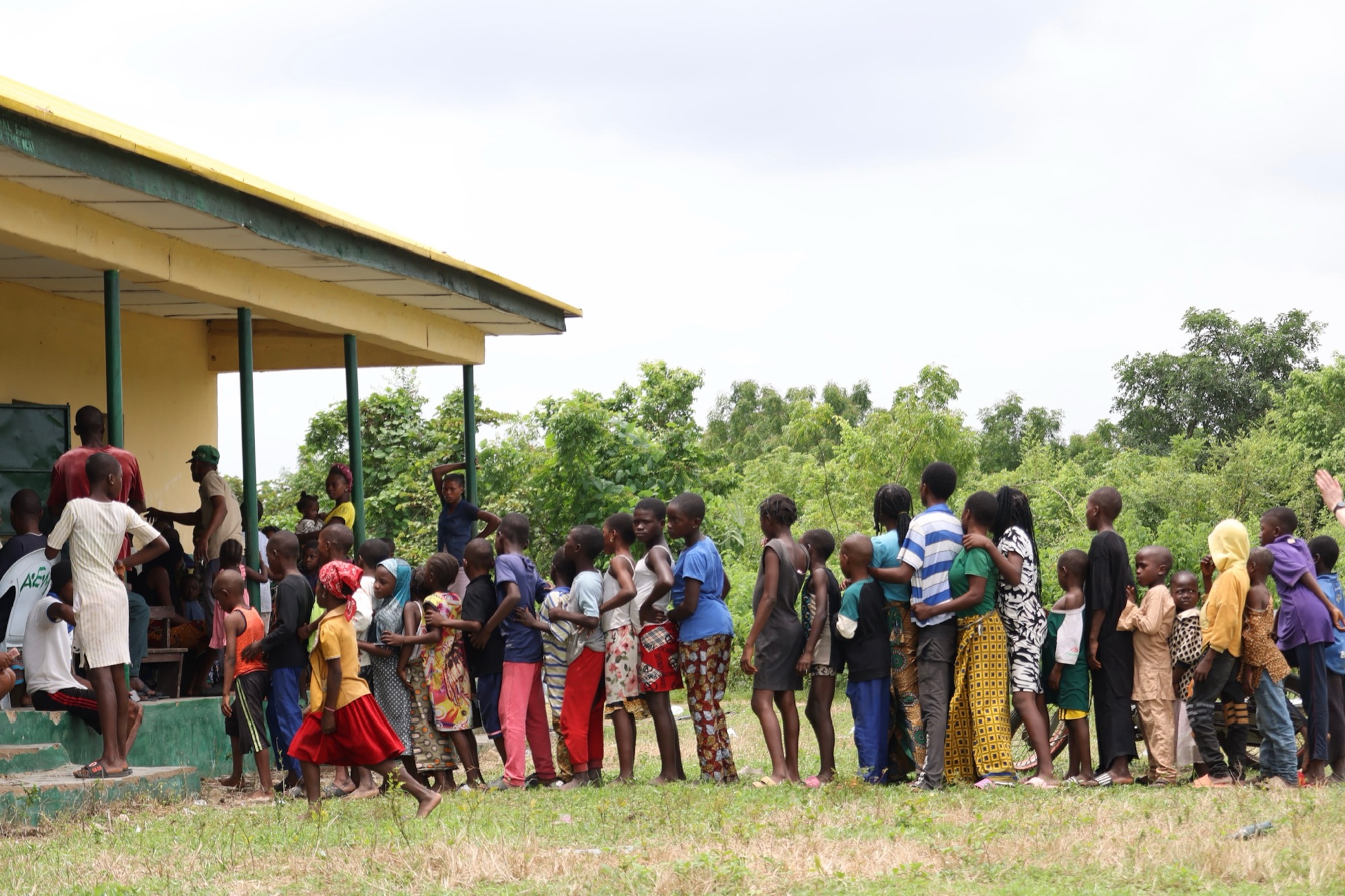
This is a community where no treatment was available before. The community health worker stationed there will now be empowered to carry out targeted testing and treatment to control the infection, close to home. This is a huge moment, and an exciting start.
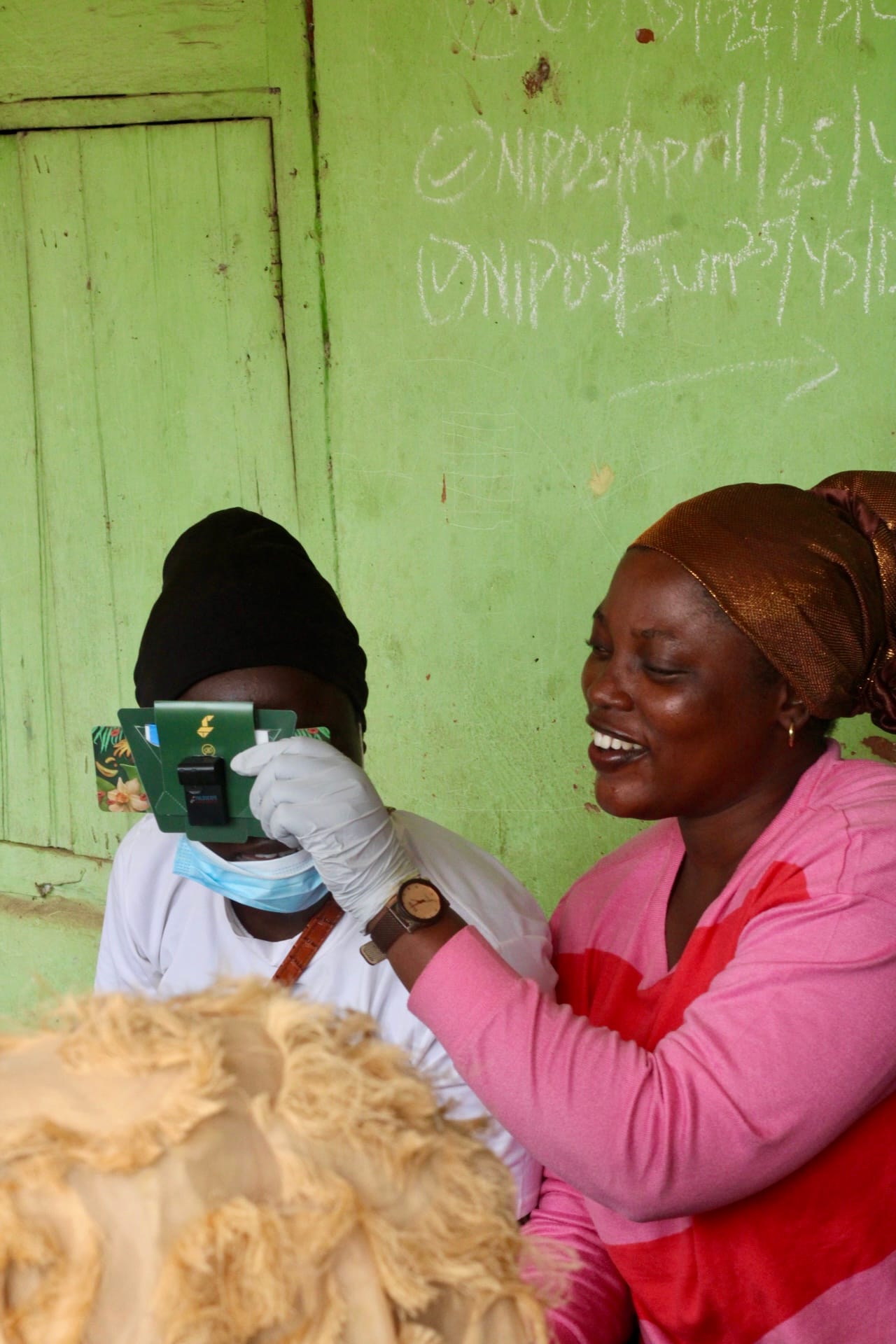
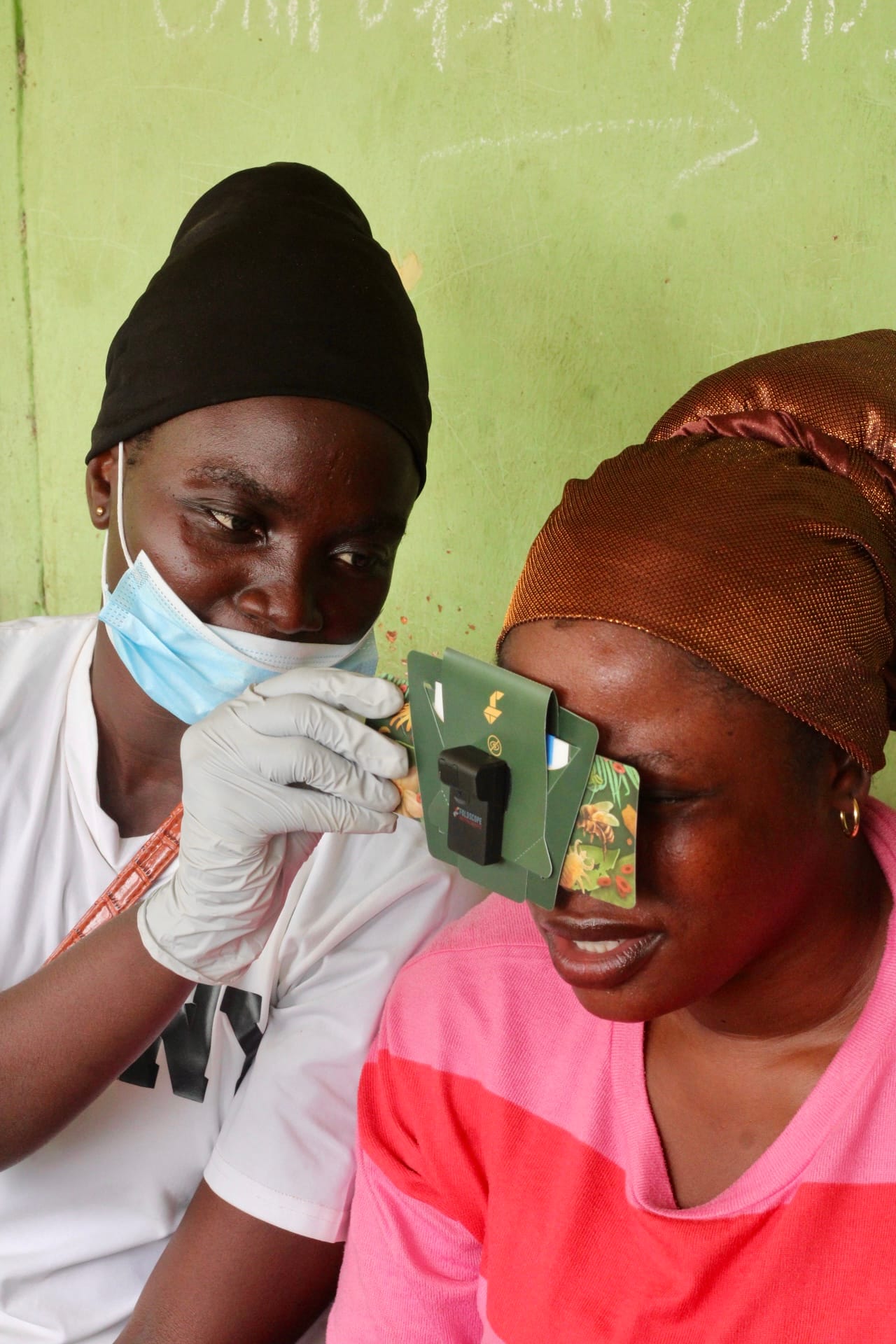
A cure that rarely makes the trip
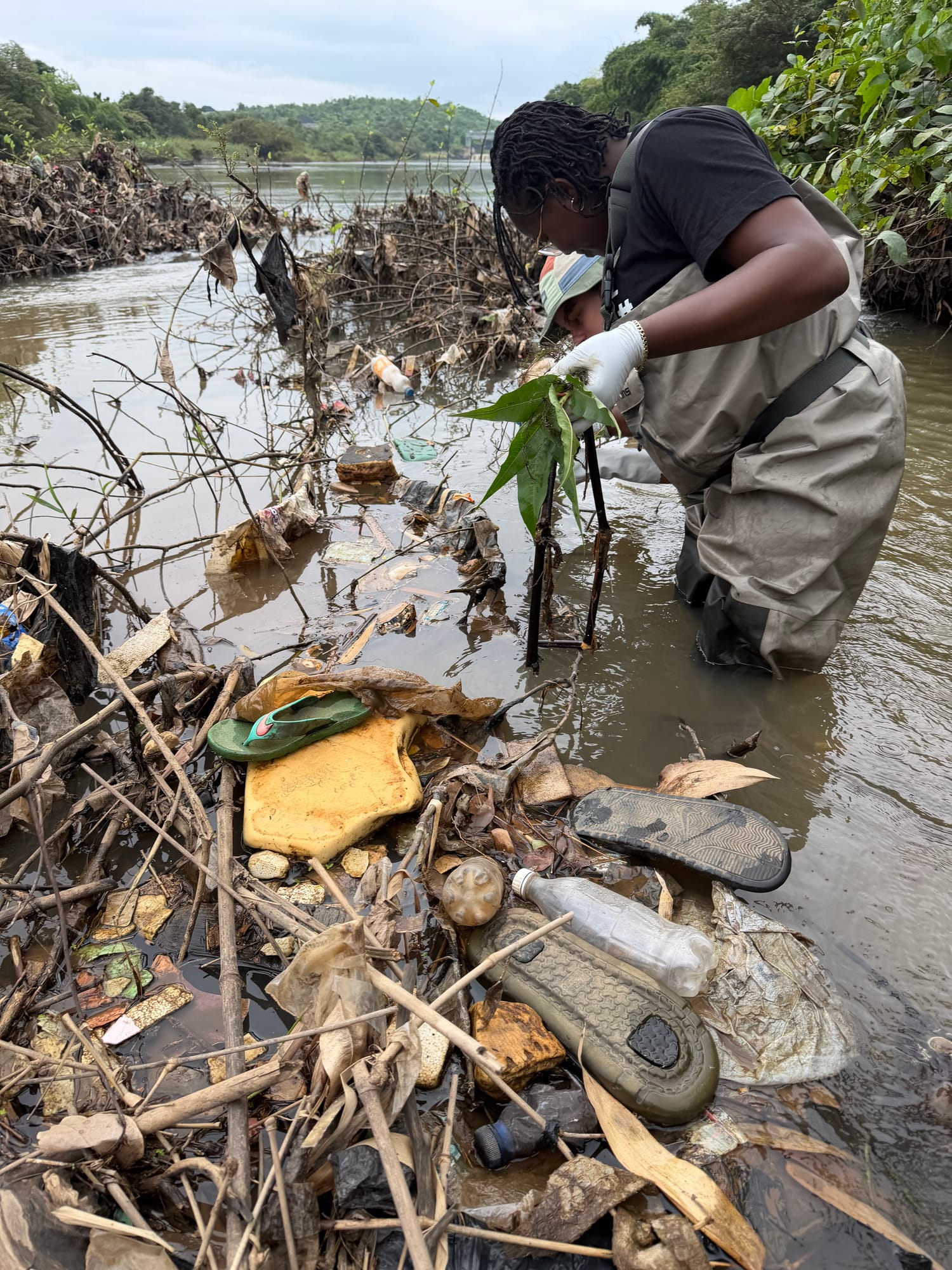
Praziquantel is the WHO-recommended treatment for schistosomiasis: effective, well-established, and inexpensive. The pill has never been the problem. Getting it to the last mile — and knowing who needs it — is. Treatment tends to arrive through periodic mass drug campaigns, and those hardly reach the most rural places. When we screened five communities near the Oyan River in 2025, 60% of people had never received treatment, despite living with the disease for years.
Earlier this month, the doses moved to local Primary Health Centers. Now they’ve reached the first community itself.
Test and treat, at the last mile
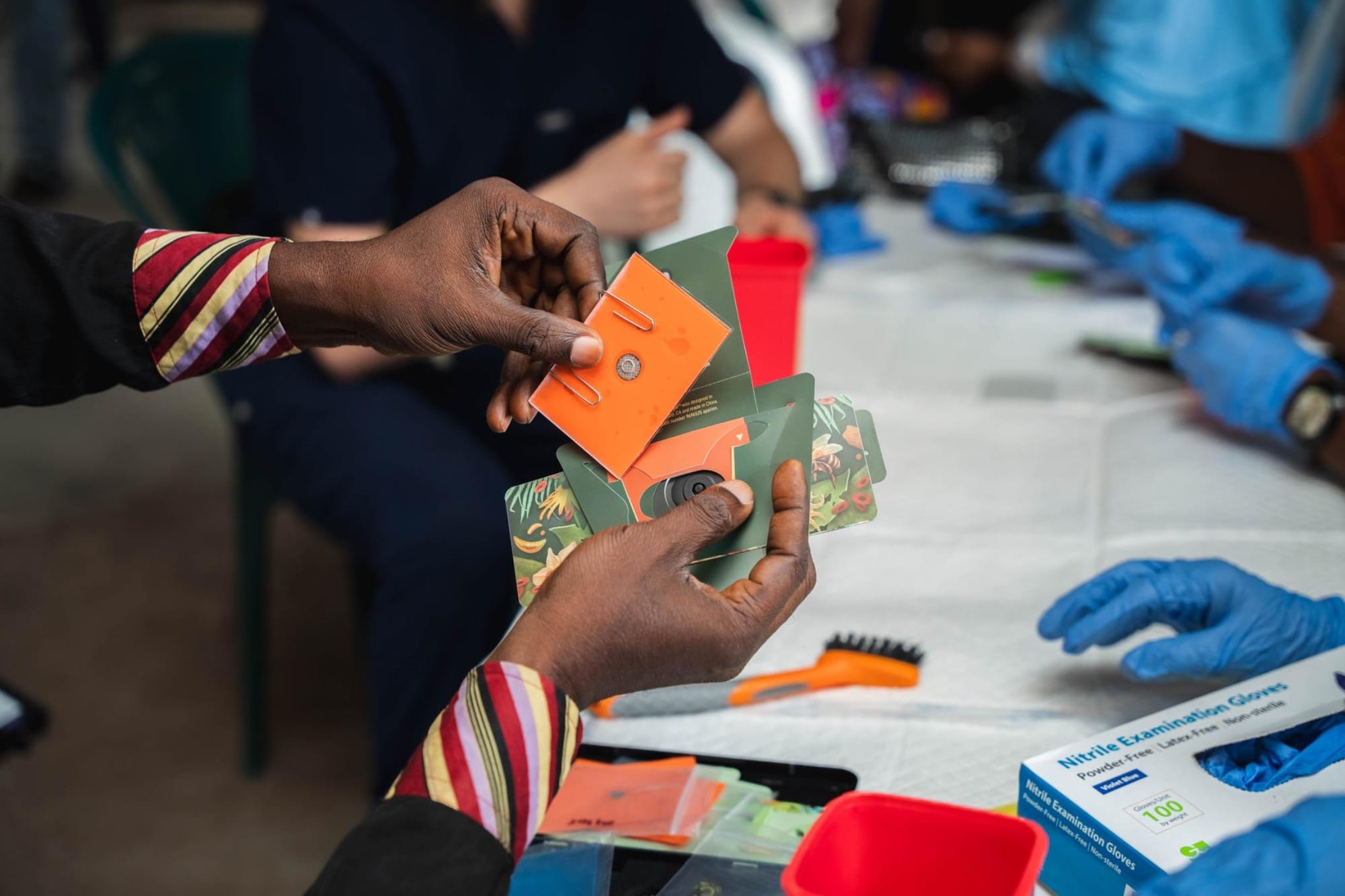
SCOPE is testing whether a decentralized “test-and-treat” model — community health workers with $2 Foldscopes and reusable SchistoFilters, testing people where they live and treating those who test positive — can catch and treat more infections than waiting for mass campaigns alone.
How test-and-treat works here
Test
A community health worker filters a urine sample through the SchistoFilter and reads it with a Foldscope. No lab, no electricity.
Treat
A positive result means praziquantel from the community’s own supply, with Ministry of Health staff supervising throughout.
Track
Every result feeds prevalence data, so we can see whether earlier, targeted treatment actually lowers infection over time.
The study uses a stepped-wedge design: every community eventually gets the intervention, but in stages, so we can still measure whether earlier, targeted treatment made a difference. This first community is where that clock starts.
Will it work?
Let’s see what we find. Will this decentralized approach help fight the parasite? Midpoint prevalence assessments across the SCOPE communities are planned for December, alongside the first education visits for the next cluster of communities.
Thank you to the Ogun State Ministry of Health’s neglected-tropical-disease team, the Primary Health Centers, and the community health workers who carried this last stretch.
Treatment is only as good as its reach
Fuel, travel, and supplies are what carry a diagnosis, and a cure, down the last stretch of road. That’s exactly what your gift covers.